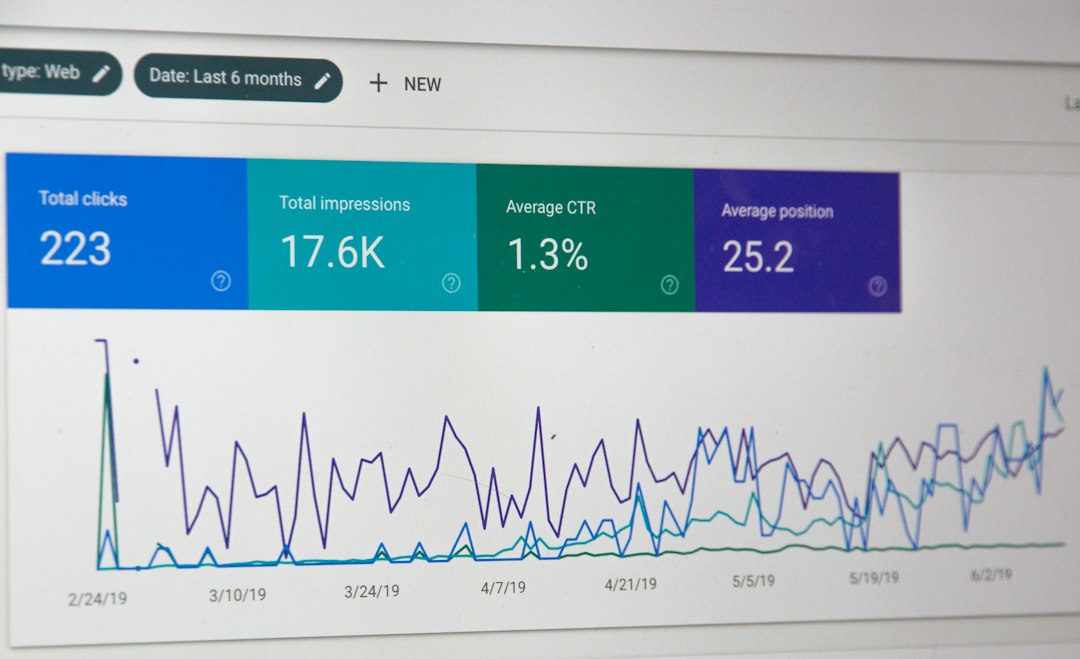
A product mention on a popular podcast, a thread that takes off, or one shared link can send ten times the usual traffic to a small site within an hour. Most WordPress hosting plans are built for an average day, not for that hour. When the surge hits, the site either survives on infrastructure built for it, or it goes down, or the bill multiplies through overage charges nobody budgeted for. Choosing a host before the spike happens, not during it, is the only way to control which of those three outcomes a site gets.
The hosts below made this list because each publishes, rather than just promises, what happens past its traffic ceiling: the exact overage rate, the autoscaling mechanism, or an unmetered policy with a stated catch elsewhere. Hosts that leave this detail undocumented were left out, however fast their marketing copy claims they are.
### Kinsta: autoscaling with a metered bill
Kinsta runs on Google Cloud and prices its Starter plan at $35 a month, or $30 billed annually, for one site capped at 35,000 monthly visits. It handles traffic spikes with auto-scaling PHP workers and container-level isolation, and you do not get charged overage fees for short bursts. Sustained overages still cost money: the rate is $0.50 per 1,000 extra visits, cut in half from $1.00 earlier in 2026. A short, one-day surge is free; a month of elevated traffic is not.
### WP Engine: controlled scaling, costly overages
WP Engine starts at $30 a month for one site, slightly undercutting Kinsta while including fewer visits. It charges 2 dollars per additional thousand visits, four times Kinsta's rate, and its entry plan includes only 25,000 monthly visits, the smallest allowance among comparable hosts. Automatic scaling handles traffic spikes within plan limits, and performance stays predictable because the environment is controlled. That control has a price: get the overage math wrong during a viral week and the bill moves fast.
### Rocket.net: unmetered visits, bundled Cloudflare Enterprise
Rocket.net takes a different approach and does not meter visits at all. It is the pick for sites where traffic spikes, since it doesn't meter visitors, so a viral post can't trigger a visit bill. Every plan, from about $25 a month billed annually, includes Cloudflare Enterprise as standard, and standalone Cloudflare Enterprise contracts typically cost over $200 a month, so bundling it at Rocket.net's entry price is a real saving, not a marketing line. The catch moves to bandwidth instead of visits, with an $0.08 per GB charge once a site passes the 50 GB limit on the Starter plan.
### Cloudways: unlimited visits, manual scaling
Cloudways does not cap visits on any plan. Its entry tier includes unlimited visits and 1 TB of bandwidth, starting at 14 USD a month. Scaling, though, is manual: you can resize the server from the dashboard in five to ten minutes with no downtime, but there is no autoscaling, so an expected traffic spike means scaling up beforehand and back down afterward. That suits a planned product launch; it does nothing for traffic that arrives while nobody is watching the dashboard.
### Pressable: Automattic's capped entry plan
Pressable is owned by Automattic, the company behind WordPress.com. Its entry plan runs about $21 a month with a 30,000-visit ceiling, below Kinsta's 35,000-visit cap on its entry tier. Overages run $1.20 per 1,000 visits, and at 60,000 monthly visits that adds a base of $25 plus roughly $36 in overage, for a monthly total near $61. That is close to double the advertised price for one busier-than-usual month, a gap worth modelling before signing up.
How to choose between them
The right choice depends less on brand reputation than on how a site's traffic actually behaves. A site that might go viral once, unpredictably, through a single shared link or press mention, benefits most from an unmetered model like Rocket.net's: there is no overage bill to calculate after the fact. A site with steady but seasonal growth, such as a retailer ahead of a known sale date, does better on Kinsta or WP Engine, where the overage rate is published and the owner can upgrade a plan a week ahead of an expected surge rather than mid-spike.
An agency running many small client sites usually saves more on Cloudways, paying for server capacity rather than per-site visit caps, as long as someone checks the dashboard during a launch window. Before signing a contract, pull twelve months of analytics, find the single highest-traffic day on record, and run that number against each host's overage table. The plan that survives that one bad day on paper is the one worth buying.